Willamette Riverkeeper
about us river history programs get involved resources
River HistoryPhysical CharacterTributariesPollutionChallenges
Home Home


Pollution

The river is affected by a variety of pollutants, and has been for a long time. In the late 1800s, the people of early Portland complained that the river was unfit to drink from as a result of the City’s sewage discharges. Throughout the years, sewage in this city and others contributed to very poor water quality conditions. Most of this early pollution came from single confined sources such as pipes (point sources) that spewed waste right into the river. Both municipal wastewater treatment plants and pulp and paper plants were the major culprits in creating the mess. In the 1930s and beyond, the levels of pollution became visible, and at times fish had difficulty breathing in the Willamette’s water. After many years of advocacy and hard work, the river became cleaner in the late 1960s resulting from increased requirements for treatment. Much of this charge was led by Governor Tom McCall, and others such as David Charlton, who ran a lab for years, documenting the river’s condition.

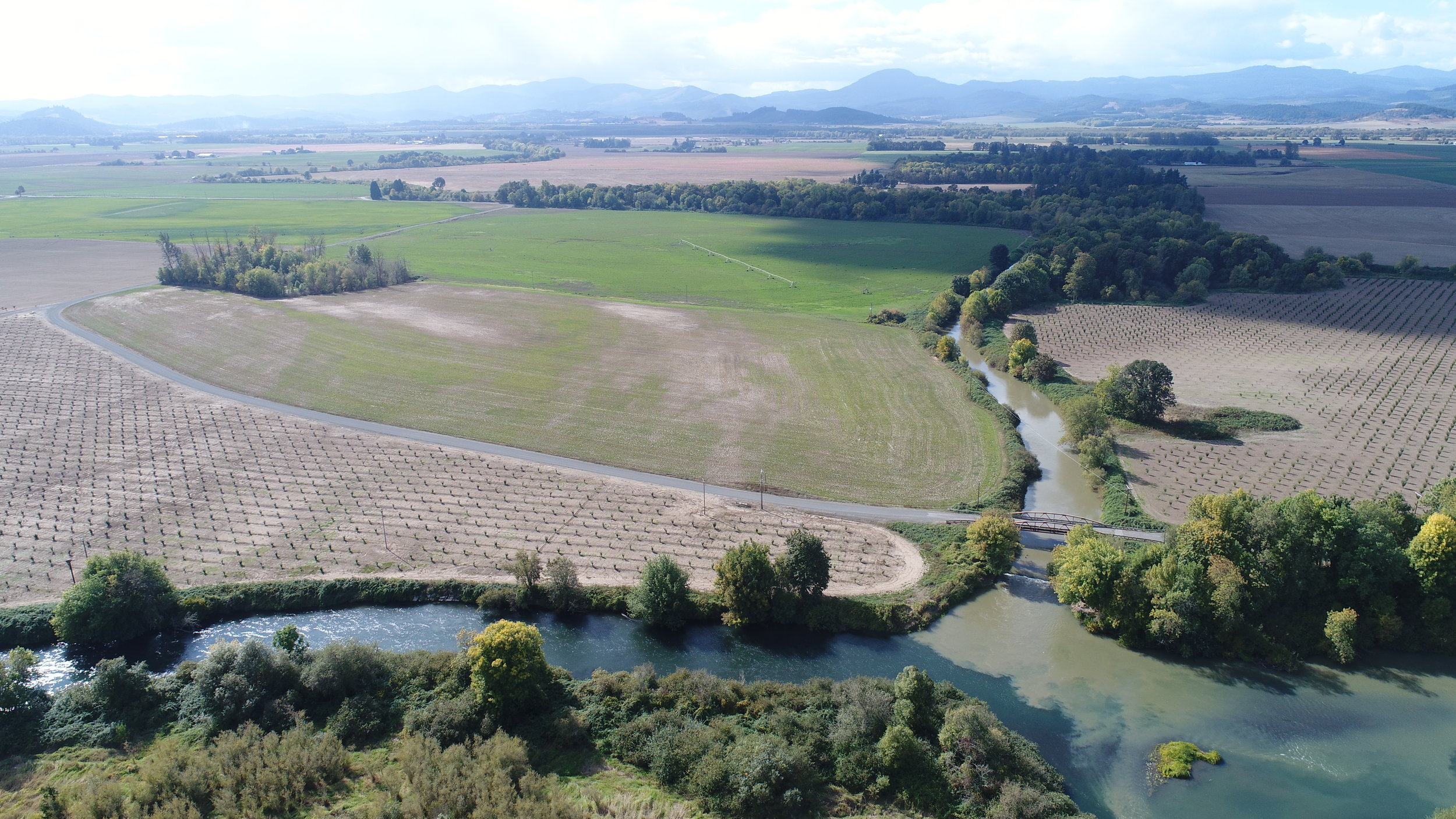
Since that time, the pollution picture has become more complex, with myriad issues related to toxic contamination. In addition to point sources, the reality of non-point source pollution has risen to the forefront. This type of pollution is essentially runoff, from the rain and water that courses across farms, parking lots, lawns, and any lands that drain into local creeks or rivers. Consequently, runoff can carry with it whatever happens to be on the land, including oil based pollution from streets and parking lots, pesticides or manure from fields, and other nonpoint source pollutants that are carried into the Willamette River system each and every day.

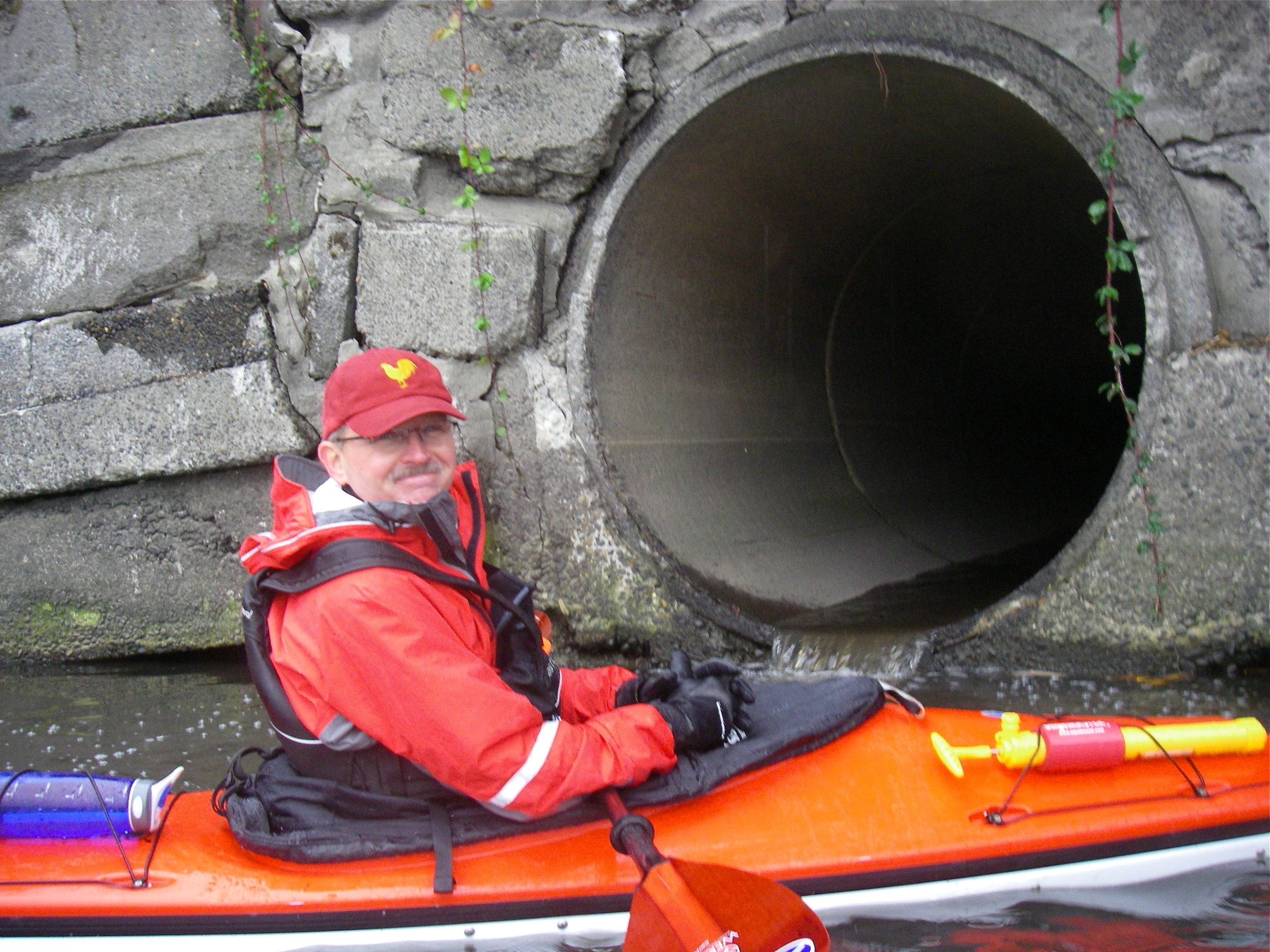
The Willamette River is on the Clean Water Act 303 (d) list for violations of water quality standards including temperature, bacteria, and mercury. The Oregon Department of Environmental Quality sets standards and aims to regulate river pollution through its statewide permitting program. The river also has localized pollution issues, from the Combined Sewer Overflows (CSOs) in the City of Portland when it rains too much, to the Portland Harbor Superfund site, where a great many properties along the river have highly contaminated soils from industrial activity going back over 100 years.

In general, the pollution picture is complex, and there are a variety of ways to address it. Our personal decisions, from how we maintain our yards and gardens, to societal ones related to water quality standards each affect the ability to improve water quality in the Willamette.


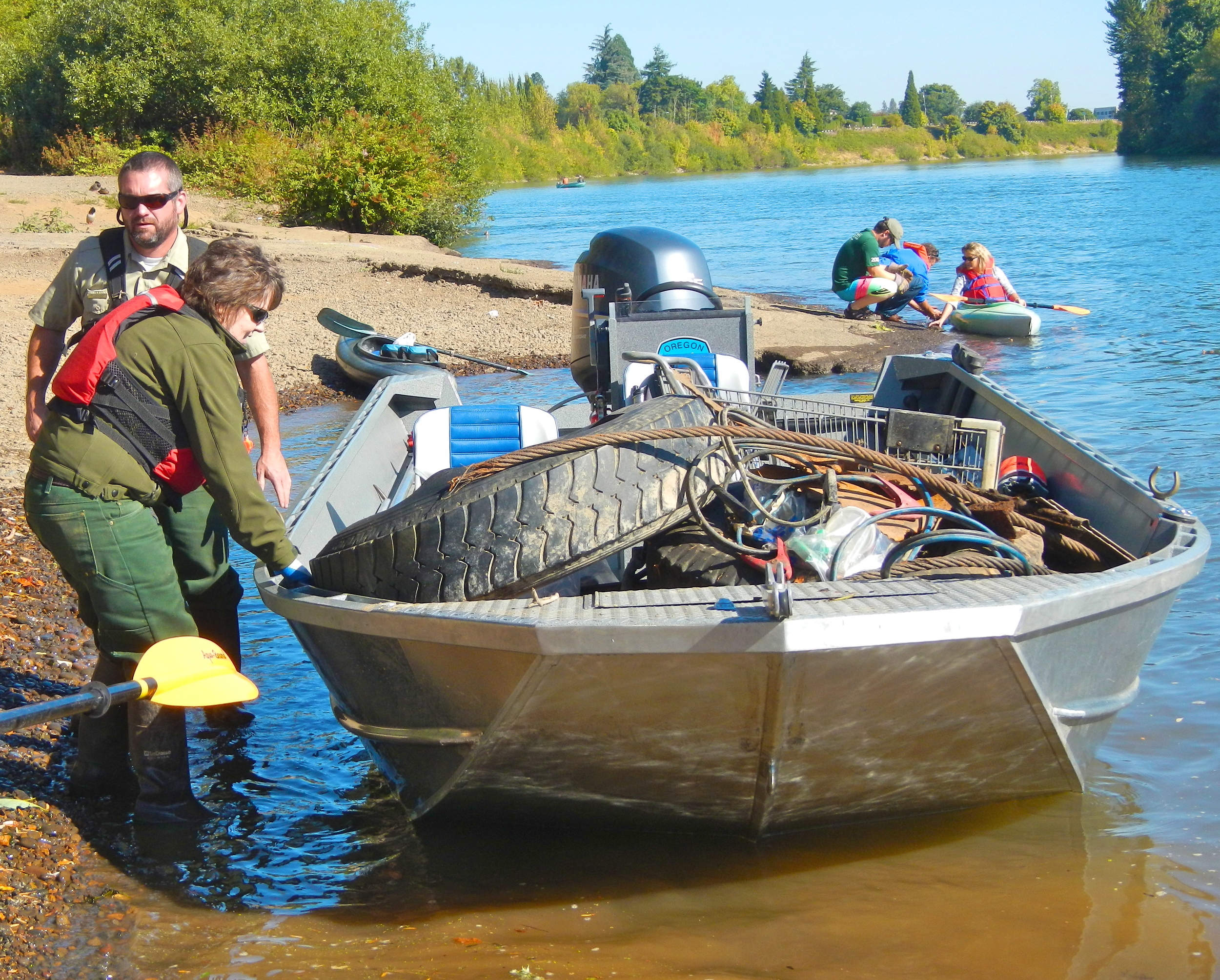
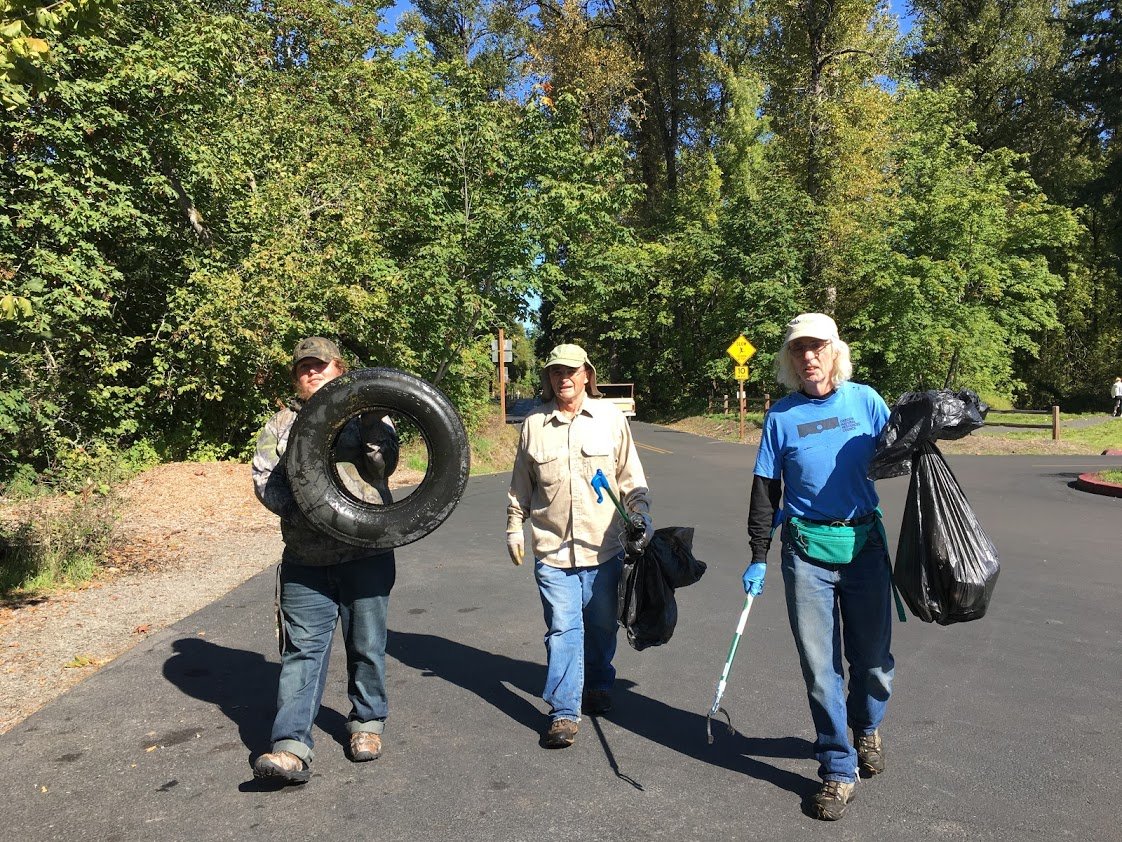
Pollution photo collage


Home